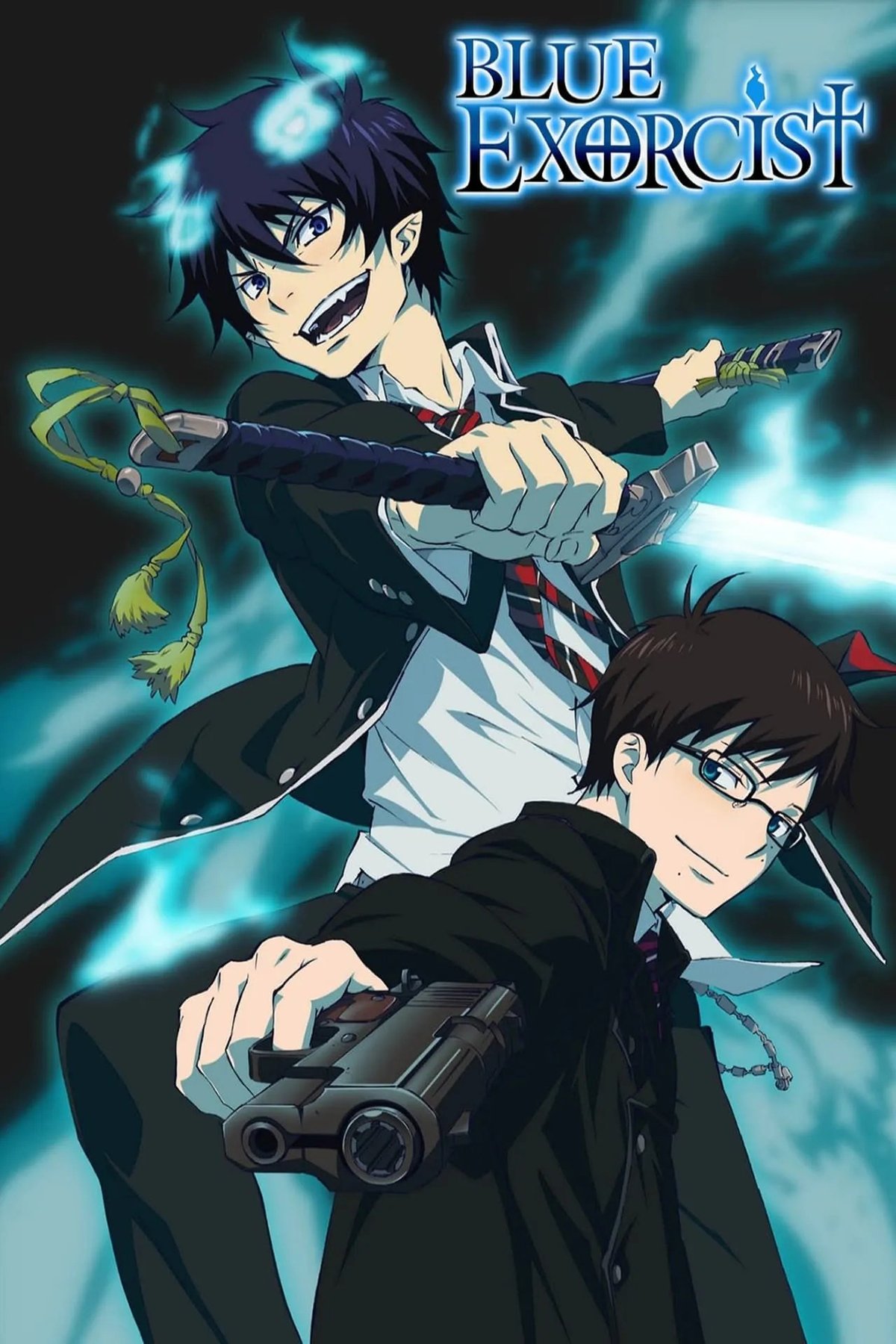
Let's clear the air right away: Itachi Uchiha, the enigmatic prodigy from the Naruto universe, does not appear in the Blue Exorcist universe. While both series have captivated millions with their complex characters, intense action, and deep lore, they hail from entirely separate fictional worlds created by different authors. The idea of Itachi Uchiha in Blue Exorcist is a common misconception, often born from fan theories, spirited discussions, or imaginative crossover fanfiction.
This guide is here to provide a definitive explanation, exploring why this confusion might arise and, more importantly, detailing the distinct, rich canons of both Naruto's Itachi Uchiha and Kazue Kato's Blue Exorcist. By understanding each series on its own terms, we can truly appreciate the masterful storytelling that makes them so beloved.
Unpacking the Universe of Blue Exorcist
Blue Exorcist (Ao no Ekusoshisuto) is a Japanese manga series crafted by Kazue Kato, which began its serialization in Shueisha's Jump Square magazine back in April 2009. It plunges readers into a world where two dimensions exist side-by-side: Assiah, the material realm of humans, and Gehenna, the demon world ruled by Satan himself. Demons, being unable to exist in Assiah on their own, possess living beings to cross over, leading to chaos and destruction.
The story primarily follows Rin Okumura, a young man who discovers he is no ordinary human; he and his younger twin brother, Yukio, are actually the sons of Satan, born from a human woman. Rin inherits his father's terrifying powers, manifesting as blue flames and other demonic features, which are initially sealed by the demon-slaying sword Kurikara. After a tragic incident where Satan kills their guardian, Father Shiro Fujimoto, Rin dedicates himself to becoming an Exorcist to defeat his demonic father. To fully grasp the captivating world created by Kazue Kato, you'll want to explore [placeholder_link slug='blue-exorcist-world-setting' text='understanding the unique dimensions and lore of Blue Exorcist'].
The Protectors of Assiah: Exorcists and True Cross Academy
In the world of Blue Exorcist, Exorcists are an ancient, clandestine group with over two thousand years of history, tasked with destroying damaging demons in Assiah. They operate under the Vatican's strict guidance, their existence a secret from the general populace. Rin enrolls in True Cross Academy, an exorcist cram school that serves as the Japanese branch of the international True Cross Order. Ironically, his own brother, Yukio, is already a veteran Exorcist and one of his teachers, adding a complex dynamic to their relationship. If you're curious about the brave individuals battling demons, we recommend diving into [placeholder_link slug='blue-exorcist-exorcists-explained' text='the rigorous training and purpose of Exorcists in Blue Exorcist'].
Rin's journey is one of self-discovery, learning to control his powers, make friends, and navigate the prejudices that come with being Satan's son. For a detailed look at his unique origins and struggles, discover [placeholder_link slug='who-is-rin-okumura' text='who Rin Okumura truly is and his connection to Satan'].
The Journey from Manga to Screen
Blue Exorcist has enjoyed significant success beyond its manga pages. A-1 Pictures brought the first anime television series to life from April to October 2011, followed by a second season, Kyoto Saga, in early 2017. An anime film, Blue Exorcist: The Movie, also premiered in December 2012. More recently, Studio VOLN has taken the reins, producing a third season, Shimane Illuminati Saga (2024), and a two-cour fourth season, Beyond the Snow Saga and The Blue Night Saga (2024-2025). This makes it easy for new and old fans alike to engage with the story across different mediums. For a comprehensive overview of how the story has evolved, consider checking out [placeholder_link slug='blue-exorcist-manga-anime-adaptations' text='the complete guide to Blue Exorcist manga and anime adaptations'].
The series has also been a critical and commercial triumph. With over 25 million copies in circulation by December 2022, and its seventh manga volume achieving a milestone first print run of one million copies for a Jump Square manga, its popularity is undeniable. Critics have praised its distinct character art, multi-dimensional world, and engaging characters, noting its unique blend of action, comedy, and complex themes. To understand the full scope of its impact and why it resonates with so many, read [placeholder_link slug='blue-exorcist-reception-and-sales' text='what makes Blue Exorcist a critical and commercial success'].
Diving into the Legend of Itachi Uchiha
Now, let's turn our attention to Itachi Uchiha, a character who truly embodies sacrifice and complex morality within Masashi Kishimoto's Naruto. Born into the powerful Uchiha clan of the Hidden Leaf Village (Konoha), Itachi was a prodigy from a young age, becoming a Chūnin at 10 and joining the elite Anbu Black Ops at just 13. He witnessed the horrors of war early in life, fostering a deep-seated desire for peace that would ultimately define his tragic path.
Itachi's most defining act was the Uchiha Clan Massacre. Facing a potential coup from his clan, Konoha's leadership tasked him with the impossible choice: eliminate his family or risk civil war. He chose to wipe out his entire clan, sparing only his younger brother, Sasuke Uchiha, under the condition that Sasuke's life would be protected. This harrowing act cemented his reputation as a ruthless criminal and traitor, a burden he bore in silence to ensure the village's stability and Sasuke's survival. To fully grasp the depth of his character and tragic backstory, learn about [placeholder_link slug='itachi-uchiha-backstory' text='the full backstory of Itachi Uchiha and the Uchiha clan massacre'].
The Weight of a Brother's Hatred and Ultimate Redemption
Itachi's relationship with Sasuke is central to his narrative. He intentionally fostered hatred in Sasuke, hoping his brother would grow strong enough to eventually defeat him, viewing his own life as a tool for Sasuke's empowerment and his own atonement. Their final confrontation was a pivotal moment, with Itachi's dying gesture—a gentle poke on Sasuke’s forehead—symbolizing a hidden affection that would only be understood much later. For insights into his complex sibling bond, we recommend reading [placeholder_link slug='itachi-sasuke-relationship' text='how Itachi's relationship with Sasuke shaped their destinies'].
Itachi's true motivations and the full extent of his sacrifice were revealed after his death, particularly during the Fourth Great Ninja War when he was reanimated. No longer bound by his past sins, he fought alongside the Allied Shinobi Forces, confronted Kabuto, and played a crucial role in freeing countless trapped souls. He shared a final, heartfelt conversation with Sasuke, revealing the truth and urging his brother to "walk his path." This poignant conclusion brought closure to his tragic story, solidifying his legacy as a symbol of love, resilience, and selflessness. To delve deeper into his journey beyond the massacre, explore [placeholder_link slug='itachi-uchiha-redemption-arc' text='Itachi Uchiha’s path to redemption'].
Why the Crossover Confusion Persists
The idea of Itachi Uchiha appearing in Blue Exorcist likely stems from a few understandable factors. Both series feature:
- Powerful, often dark, protagonists: Rin Okumura and Itachi Uchiha both wield immense, sometimes feared, abilities.
- Themes of sacrifice and duty: Itachi's entire life is defined by duty and sacrifice, a theme that also resonates with characters in Blue Exorcist as they fight against demonic forces.
- Complex family dynamics: Rin's relationship with Satan and Yukio, and Itachi's with Sasuke, are cornerstones of their respective narratives.
- Supernatural elements: Demons, exorcists, ninjas with unique powers – both worlds embrace the fantastical.
- Popularity: Both Naruto and Blue Exorcist are incredibly popular, making them ripe for fan discussions, dream crossovers, and imaginative artworks that can sometimes blur the lines between their distinct canons.
Ultimately, while these shared thematic elements might spark intriguing "what if" scenarios, Itachi Uchiha remains firmly within the Naruto universe, and the world of Blue Exorcist thrives with its own unique cast of characters and lore. There is no official crossover or canon appearance connecting the two.
By appreciating each series for its individual merits, readers can fully immerse themselves in the distinct adventures and rich character development that both Itachi Uchiha and Blue Exorcist offer. Whether you're drawn to the intricate shinobi world or the perilous battles against demons, both narratives promise a rewarding experience filled with depth, action, and unforgettable characters.